
Client onboarding software runs the gap between a signed contract and a working client, and four tools own the category: Rocketlane, GUIDEcx, Arrows, and Dock. The category bundles three separate jobs, most teams only need one of them, and one of the three is already free in the CRM you own.
The tools that own this category
Four names come up in nearly every shortlist, and they occupy meaningfully different positions rather than being interchangeable.
The heaviest option, combining the client portal with project delivery, resource management, and time tracking. Published pricing: $49 per team member per month on Standard, $69 on Premium, $99 on Enterprise, all billed annually with a five-member minimum. Unlimited projects and unlimited customer members on every tier.
Built around a task engine with customer-facing lists and clear ownership, and listed on both the Salesforce AppExchange and the HubSpot Marketplace. Three tiers named Starter, Premium, and Advanced, all quote-only: the pricing page says speak to sales and publishes no numbers.
Built as a HubSpot-native app rather than a separate system with an integration bolted on, showing over 1,500 installs and a 4.9 rating on the HubSpot App Marketplace. Pricing is not published; the site states only that it depends on team size and how you use it.
The lightest entry and the only one with a genuinely free tier: $0 forever for five users, then $350 a month for Standard with ten users included, and $1,000 a month billed annually for Premium at 25 or more. HubSpot and Salesforce integrations start at Standard.
Worth noting what all four share: they charge for your internal seats and give client access away free. Dock states it outright, and Rocketlane's unlimited customer members on every tier says the same thing. So your cost is driven by how many of your own people touch onboarding, which is usually more than the three you first counted once delivery, support, and finance get added.
In this article
1.
2.
3.
4.
5.
6.
7.
8.
9.
What client onboarding software actually does
Strip the positioning away and every tool in this category is selling some mix of the same three things.
A repeatable task plan
A template that fires on deal close and produces the same set of steps, owners, and due dates every time. This is the part that stops onboarding depending on who is running it.
A client-facing portal
A branded place your customer logs into to see what is done, what is outstanding, and what is waiting on them. This is the genuinely hard part to build yourself, and it is what actually separates this category from project management.
Reporting on the onboarding itself
Average time to live, where projects stall, how many are in flight, which steps always slip. If you cannot answer these today, no amount of checklist discipline will produce the numbers.
The task plan you can build in your CRM for free. The reporting is worth paying for once you have volume. The portal is the only part you genuinely cannot fake.
What it costs, and why that question is harder than it should be
Half this market treats price as a conversation. GUIDEcx publishes nothing across three tiers, and Arrows publishes nothing either. That is a defensible sales strategy and a genuine problem for a buyer trying to build a shortlist, because it means you cannot compare anything without booking two demos first.
Why every comparison you are reading is written by a vendor
Search this category and look at who published the results. Rocketlane's blog ranks for GUIDEcx alternatives. GUIDEcx's blog ranks for best onboarding platforms. Each arrives at a conclusion you could have guessed from the domain name before opening the page.
This is not unusual in software categories, but it is unusually concentrated here, and it has a practical consequence: the strengths and weaknesses you read are chosen to make one product win. A vendor-authored comparison will happily concede that its competitor is "a strong lightweight option" because lightweight is the frame that makes the author look serious.
Check the domain before the content. If the publisher is in the comparison, you are reading positioning.
Verify every price at the source. Two of the four leaders publish none, which means any table showing four prices has invented at least two.
Ignore the ranking, keep the axes. The useful part of a vendor comparison is the dimensions it argues over. The order is decoration.
Ask what happens after onboarding closes. Nobody's marketing covers this, which is a signal in itself.
Do you need it, or do you need a better checklist?
The honest test is not how messy onboarding feels. It is whether the client needs their own view.
A workflow that fires on deal close and creates a templated task set with owners and due dates covers this. Add a dedicated onboarding pipeline for a board and basic reporting. Cost: nothing beyond what you already pay. Do this first, always, because it also tells you what your steps really are before you pay someone to encode them.
A portal stops the status-chasing emails and makes the client's own overdue items visible to them, which is the single biggest cause of onboarding slipping. Buy it when the volume is there, and expect the reporting to be the part you end up valuing most.
Bespoke engagements do not benefit from a task engine, because encoding a plan you will override every time is pure overhead. What these teams need is documentation that travels, not process enforcement. Solve that instead.
Our customer onboarding checklist covers the phases and owners if you want to run the free version properly before buying anything, and HubSpot workflows covers the automation that assigns the tasks.
The third job nobody sells
Every tool in this category is built around tasks and a portal. Both are about the process of onboarding. Neither is about the content of it, and the content is what survives.
Think about what actually gets written during a client onboarding:
The scope, as it really ended up
Not the version in the signed contract. The version after the kickoff call, with the two things that got added and the one that got cut.
The questionnaire answers
Their tech stack, their approval chain, who actually signs off, the integration that turned out to be a blocker. This is the most valuable prose anyone writes about the account and it is written once.
The decisions and the reasons
Why you configured it this way, what you agreed to work around, which promise was made verbally in week two. Every escalation for the next two years traces back to one of these.
The handoff note
What the account manager inheriting this client needs to know, written by the person who is about to stop thinking about them.
Onboarding software closes the project. It does not carry the reasoning forward, and the reasoning is the only part anyone needs eighteen months later.
This is where the handoff quietly fails. The tasks complete, the portal goes quiet, the project is marked done, and the account moves to whoever owns the relationship next. That person opens the CRM record. The record shows a closed deal, a lifecycle stage, and some logged emails. Everything that explained the account is in a document they will not think to look for.
What client onboarding software solves
- A repeatable plan that does not depend on who runs it
- A client-facing portal, the one piece you cannot improvise
- Reporting on cycle time and where projects stall
- Client seats are free across every major tool
- Native CRM integrations on all four leaders
- Accountability made visible to the client, which is what unsticks most delays
What it leaves you with
- Pricing is unpublished at two of the four leaders
- Internal seats are the cost driver, and there are more than you counted
- Overkill when every engagement is bespoke
- The task plan duplicates what your CRM already does free
- Nothing carries the scope, decisions, and reasoning past project close
- The record the next owner opens still shows none of it
Notion for the documents, HubSpot for the record
For most agencies, consultancies, and Notion-native teams, the onboarding documents already exist and are already good. The scope lives on a client page, the kickoff notes sit under it, the questionnaire is a database row. Nothing about that setup needs replacing.
The failure is visibility, not authoring. The people who need that context later are working in the CRM, and the CRM shows them nothing.
Keep the onboarding context on the record after onboarding ends
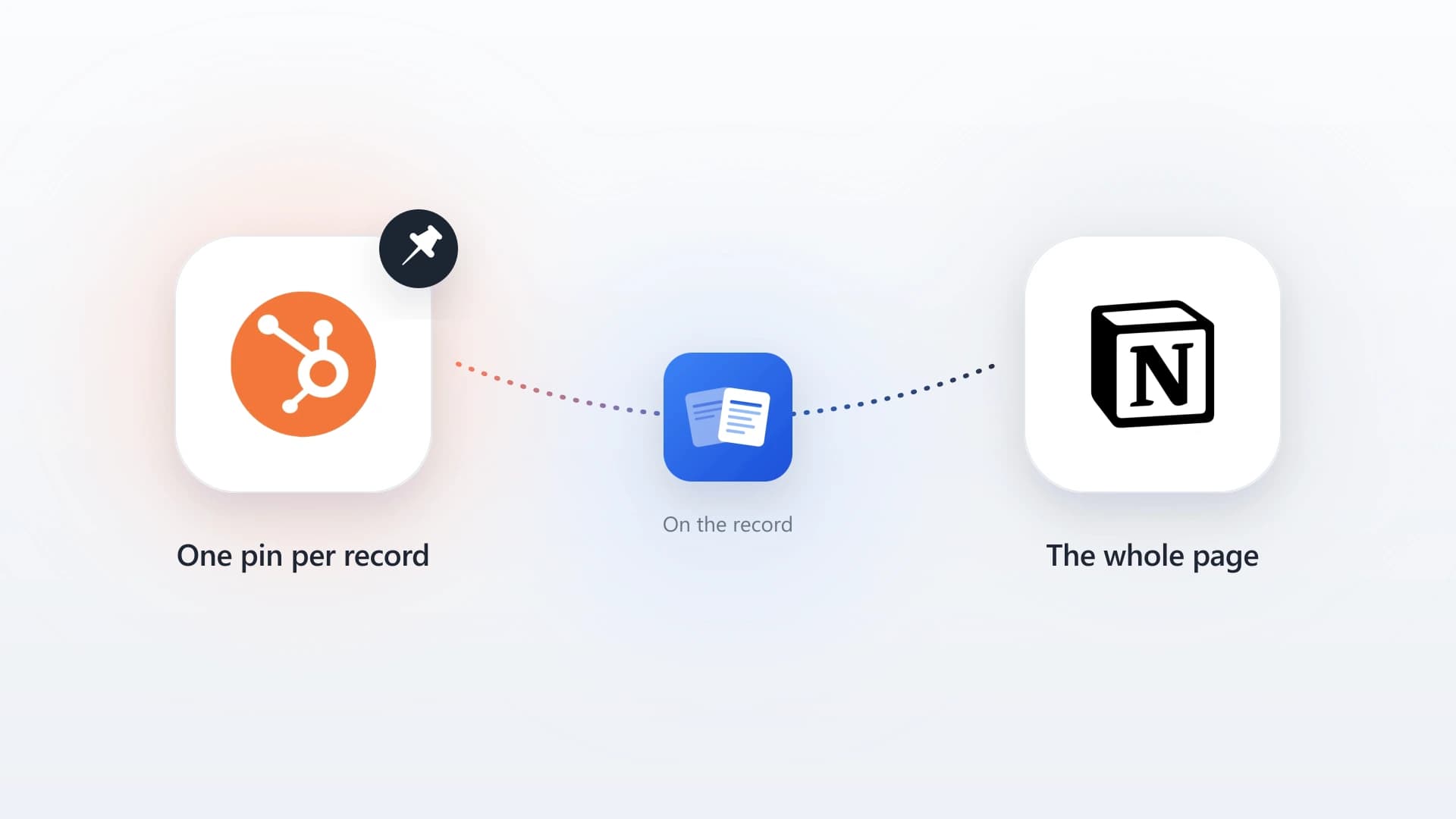
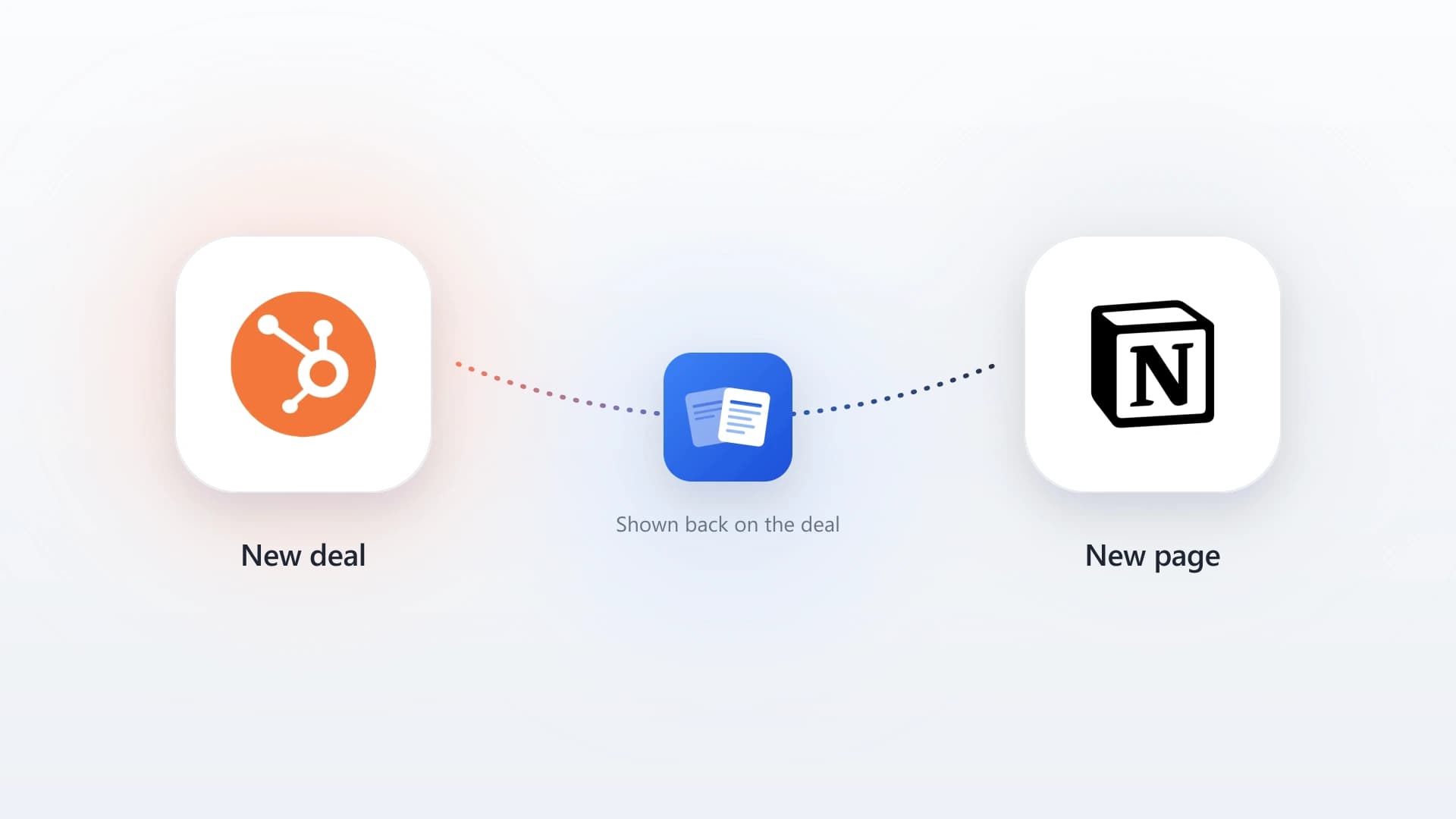
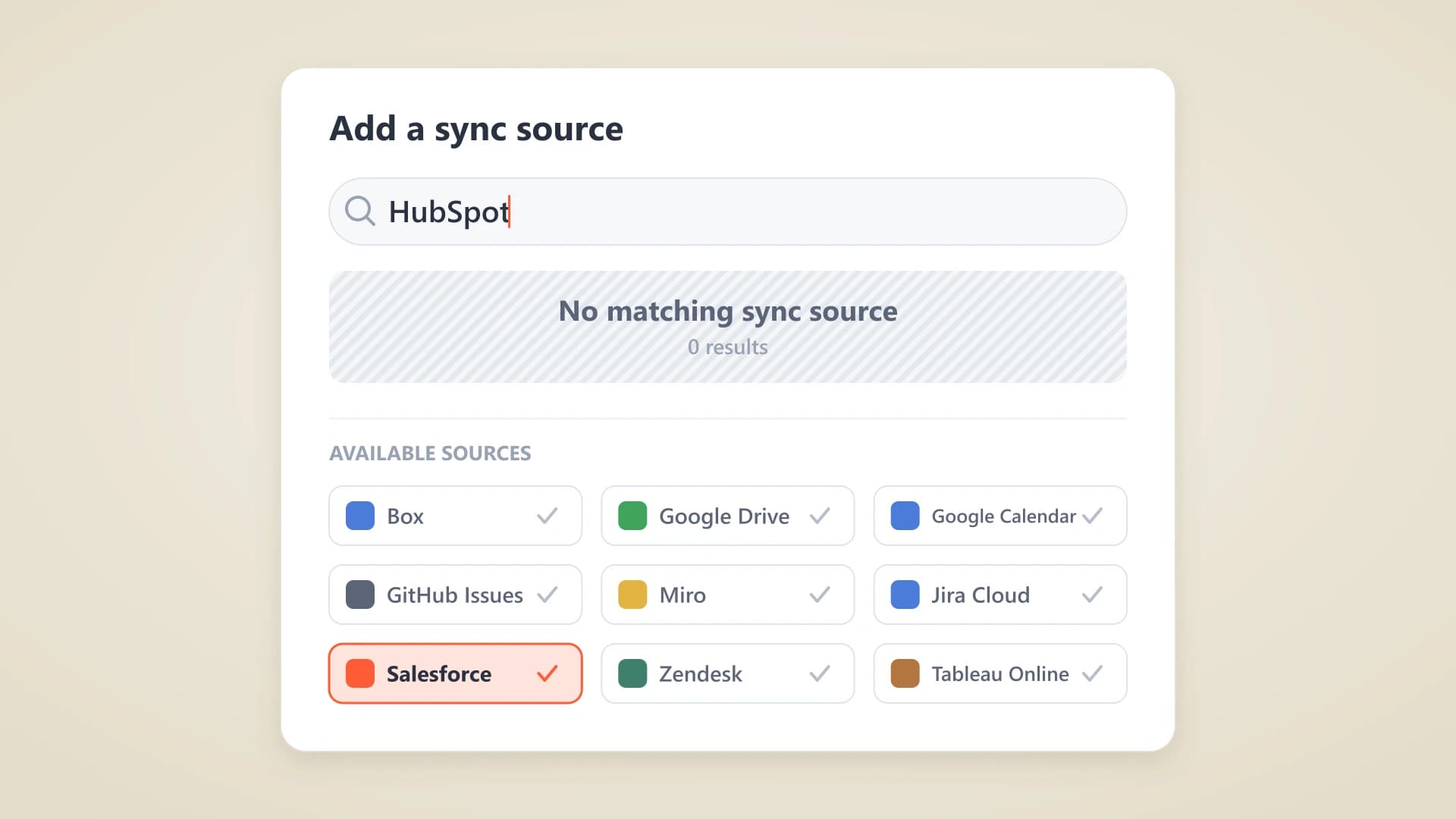
NoteLinker renders your live Notion client rows directly on the matching HubSpot contact and deal, matched on email or deal name. The scope, the kickoff notes, and the decisions stay legible from the record long after the onboarding project closes. Nothing copied, nothing to keep in sync.
Choosing client onboarding software
Start by building the task plan in the CRM you already pay for, because it costs nothing and it forces you to write down what your steps actually are. If clients then keep chasing you for status, or you still cannot say how long onboarding takes, buy a platform, and pick it on which of the three jobs you are really buying: Rocketlane for staffed delivery, GUIDEcx for structured tasks, Arrows if HubSpot is the centre of your world, Dock if you want a portal cheaply.
Get every price in writing before you compare anything, since two of the four publish nothing and the roundups are written by the participants. Count your internal seats, not your client seats.
Then handle the part none of them cover. Decide where the scope, the notes, and the decisions live, and make them visible from the record the next owner will open. Onboarding is a project that ends. The account is a relationship that does not.