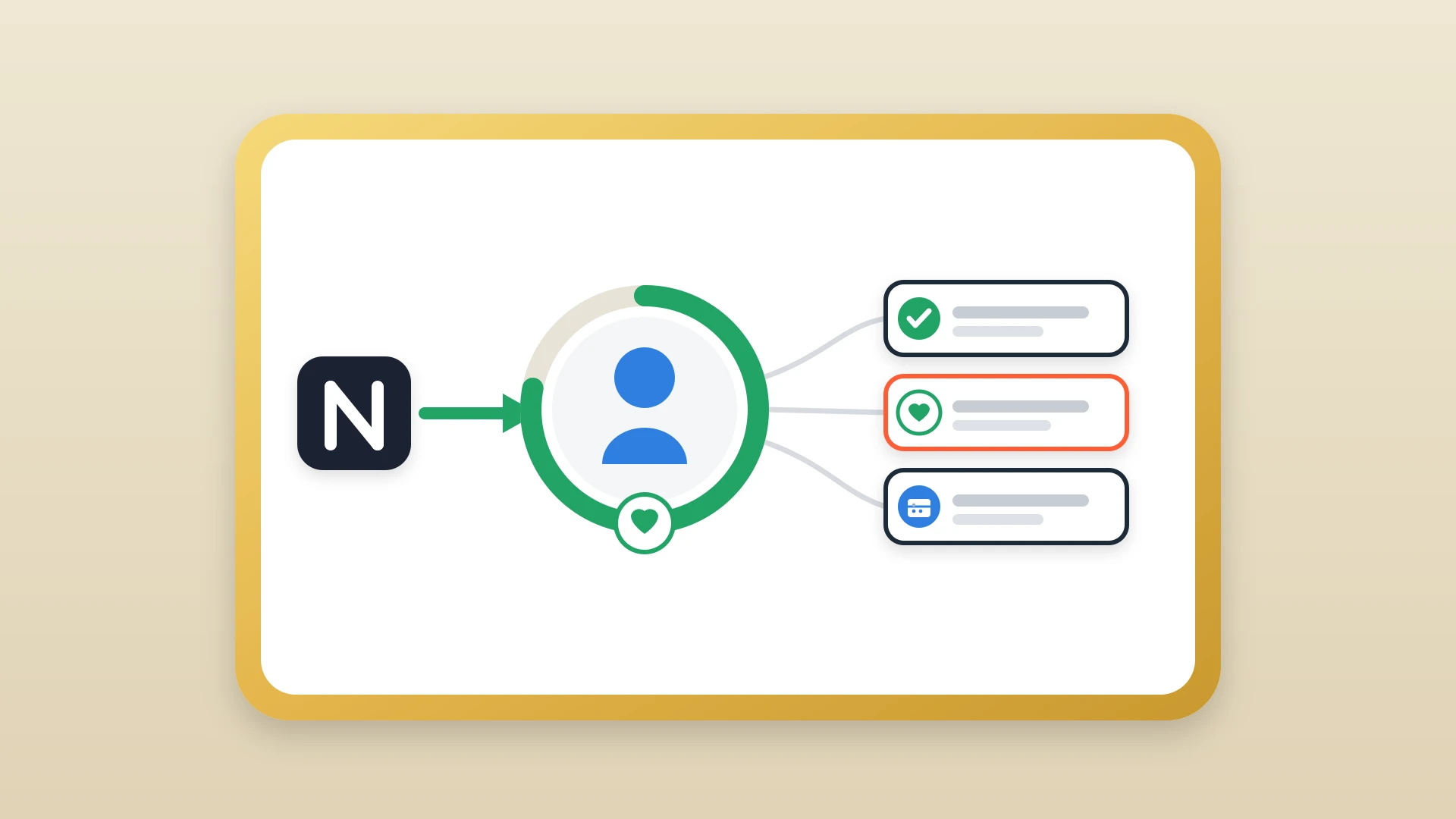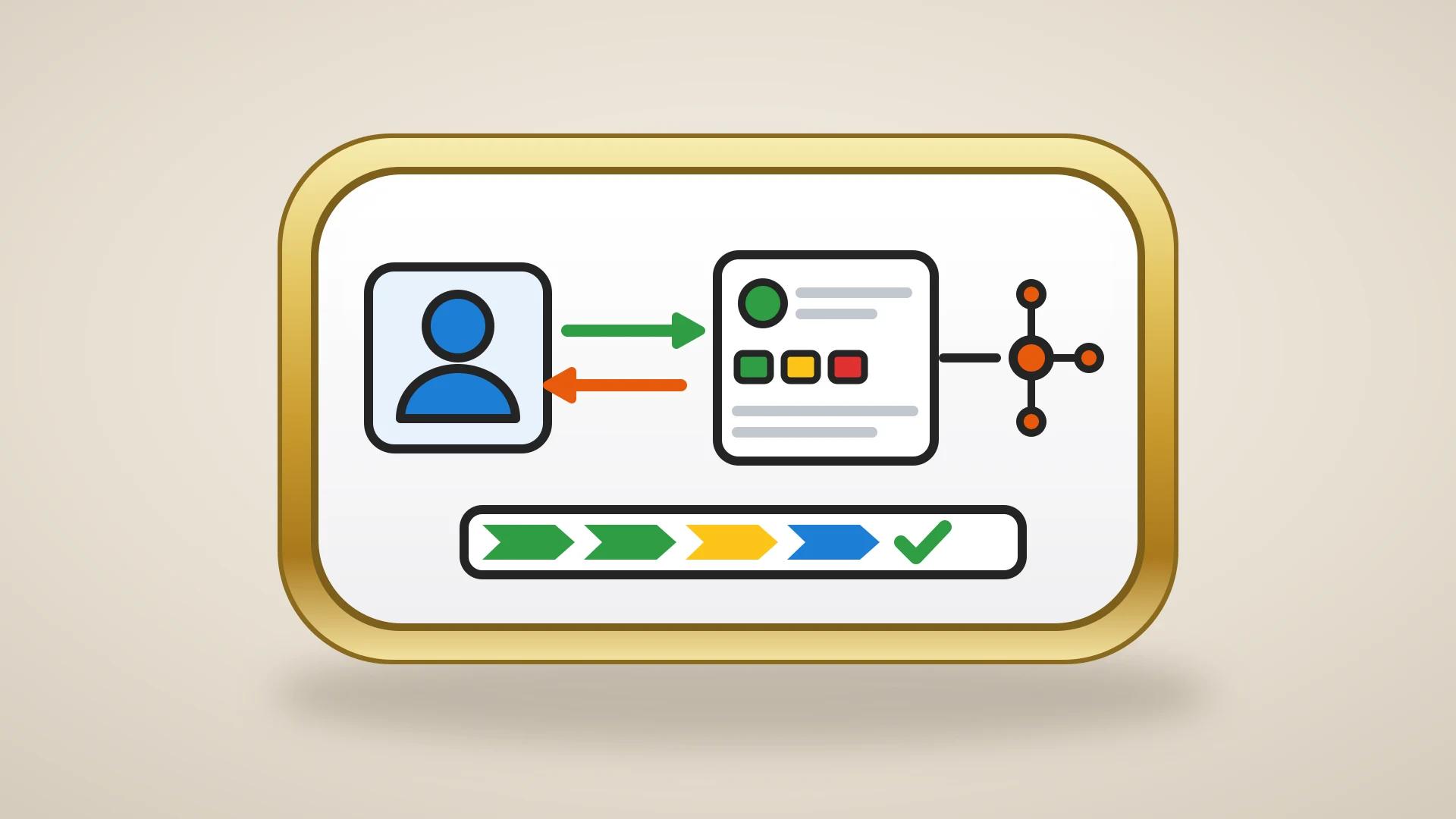

In 2026, the most successful companies aren't the ones with the most tools, but the ones with the most connected tools. For years, teams have faced a dilemma: should we prioritize the structured, data-driven power of a CRM like HubSpot, or the flexible, collaborative freedom of a workspace like Notion?
The reality is that you shouldn't have to choose. HubSpot is the undisputed gold standard for managing the customer journey, while Notion has become the primary "operating system" for internal documentation, project management, and creative brainstorming. When these two powerhouses work together, they create a synergy that eliminates data silos and accelerates growth.
In this article
1.
2.
3.
4.
5.
6.
7.
8.
9.
The most successful companies aren't the ones with the most tools, but the ones with the most connected tools.
The CRM vs. Workspace Divide
HubSpot is built for precision. It tracks every email, every deal stage, and every customer interaction with surgical accuracy. However, CRM interfaces are often rigid. They are great for "what" happened, but they often lack the space for the "why," the deep context, the messy meeting notes, and the collaborative strategies that happen behind the scenes.
Notion, on the other hand, is built for expression. It is where teams actually do the work. It's where you draft account plans, record raw meeting insights, and manage the tasks required to fulfill a contract.
Deal stages, automated sequences, and structured fields make every interaction measurable and forecastable. This is where the "what" and the "when" live.
Account plans, raw meeting notes, and collaborative strategy get room to breathe on an open canvas. This is where the "why" lives.
Keep the structured journey in HubSpot and the thinking in Notion, then sync the context across so neither tool is missing half the story.
Without a connection to your CRM, Notion becomes a knowledge island, full of valuable information that the rest of the sales and marketing team can't see.
Centralizing Your Sales Context
The most common point of failure in a sales cycle is the handoff. When a lead moves from marketing to a Sales Development Rep, and finally to an Account Executive, critical details are often lost. If those details are trapped in a Notion page that isn't linked to the HubSpot record, the AE has to go on a "scavenger hunt" for context right before a big call.
By combining the two, you ensure that the rich context living in Notion is visible where the action happens in HubSpot. Instead of repeating questions the prospect has already answered, your team can provide a personalized, high-value experience from the very first second.
Automating the Post-Sale Handover
When a deal is marked as "Closed Won" in HubSpot, the work is just beginning. Typically, this is where the customer success or onboarding team takes over. In a siloed environment, this involves manual data entry: creating a new onboarding project, copying over client requirements, and setting up tasks.
In 2026, this should be automated. A deal update in HubSpot can trigger the creation of a pre-formatted onboarding workspace in Notion. This ensures that the onboarding team has everything they need, including the original sales notes, to hit the ground running, reducing the "time to value" for your new customer.
- 1
The deal is marked Closed Won in HubSpot
The status change becomes the trigger, so nobody has to remember to kick off onboarding manually.
- 2
A pre-formatted onboarding workspace appears in Notion
Tasks, requirements, and structure are created automatically from a template instead of being rebuilt by hand each time.
- 3
The original sales notes come along
The onboarding team inherits the full context of what was promised, so the customer never has to repeat themselves.
Empowering Marketing with Real Sales Data
Marketing teams often plan campaigns in Notion, using its flexible databases to track content and strategy. However, without seeing how those campaigns are actually converting into deals in HubSpot, marketing is flying blind.
When your Notion strategy pages are fueled by live HubSpot data, marketing can see exactly which content pieces are driving revenue. They can adjust their editorial calendar in real-time based on the sales pipeline, ensuring that every piece of content created in Notion is aligned with the business goals tracked in HubSpot.
Reducing Tab Fatigue and Context Switching
Context switching is a silent productivity killer. UC Irvine professor Gloria Mark's research on attention, summarized in her 2023 book Attention Span, found that the average knowledge worker now spends just 47 seconds on a screen before switching, down from about 2.5 minutes in 2004. Each interruption costs roughly 25 minutes to fully recover from. When HubSpot and Notion are disconnected, your team is forced to constantly toggle between their "work" space and their "reporting" space, and the recovery cost compounds across a day.
Linking the two platforms creates a "Single Source of Truth." Whether a team member prefers the database-driven view of HubSpot or the document-driven view of Notion, they see the same information. This alignment reduces friction, improves team morale, and lets everyone spend more time closing deals and less time managing tabs.
Context switching is a silent productivity killer, and a disconnected stack forces it on your team all day long.
Unlocking Advanced AI Insights
In 2026, AI-driven analytics are no longer a luxury. HubSpot's AI tools can predict which deals are likely to close, but they are only as smart as the data they can see. Salesforce's 2024 State of Sales Report flagged this directly: 70 percent of data and analytics leaders say the most valuable insights for their organizations are trapped in unstructured data, and 87 percent believe unifying that data is key to meeting customer expectations. If your most valuable qualitative context, like "Customer Pain Points" or "Competitor Concerns," is buried in a Notion doc, your AI insights are working with half the picture.
By syncing your Notion notes into the HubSpot timeline, you feed your CRM's AI the full story. This leads to more accurate forecasting, better lead scoring, and more intelligent "next step" suggestions for your sales reps. You aren't just connecting two tools; you are building a smarter business brain.
What the Combined Stack Looks Like in Practice
A sales rep starts their day in Notion. They open their contacts database, review the accounts they are working this week, and check their meeting notes from the last round of calls. Before a scheduled discovery call, they pull up the prospect's page and review the research they compiled earlier. During the call, they take notes directly in Notion, using headers and bullet points to organize the conversation as it happens.
- 1
Plan the day in Notion
The rep reviews the accounts they are working this week and the meeting notes from the last round of calls, all in one workspace.
- 2
Prep before the call
They pull up the prospect's page and review the research they compiled earlier, walking in already up to speed.
- 3
Take live notes during the call
Using headers and bullet points, they organize the conversation in Notion as it happens, in the flow of the discussion.
- 4
Sync to HubSpot in one click
After the call, the rep cleans up the note, adds next steps, and syncs it to HubSpot. It lands on the timeline as a formatted activity.
The note lands on the contact's timeline as a formatted activity, visible to the manager pulling a pipeline report, the SDR who originally sourced the lead, and the customer success rep who will handle the onboarding if the deal closes. The rep never opened HubSpot. The CRM never fell behind. For the full list of tools that make this workflow possible, see the best Notion integrations for sales teams.
If your Notion workspace is not yet structured for sales, setting up the right databases and templates is worth doing before you connect any integrations. The quality of the sync depends on the quality of the workspace feeding it.
The Missing Link: NoteLinker
The challenge has always been the "how." Native integrations often only sync basic contact fields, leaving the most valuable part, your notes and deep context, stuck in Notion. Manually copy-pasting notes from one to the other is a waste of your team's talent and a recipe for outdated data.
This is exactly why we built NoteLinker.
NoteLinker is the bridge that makes the HubSpot and Notion combo actually work for high-performance teams. It automatically syncs your Notion pages directly into your HubSpot contact and deal timelines as native activities. Your team can keep writing in the Notion environment they love, and NoteLinker ensures that every insight is instantly visible to everyone in the CRM.
You are ready to connect the two tools when
- Your reps already write meeting notes in Notion.
- HubSpot is your system of record for deals and pipeline.
- Handoffs between teams keep losing context along the way.
- You want your CRM's AI working with the full story, not half of it.
Stop choosing between your CRM and your workspace. Start using them together. Here is how teams set up the sync, and see how to sync your notes to HubSpot automatically to understand the full process.
Connect HubSpot and Notion the right way
NoteLinker pushes Notion pages into HubSpot timelines as native activities. Keep writing in Notion. Keep your CRM current.