
HubSpot is an incredible engine for revenue operations and pipeline management, but it was never designed to be a comfortable workspace for deep work. Leaders must recognize that the place where a deal is managed is not necessarily the best place for a deal to be won.
In this article
1.
2.
3.
4.
5.
6.
7.
The Friction of a Rigid System
When organizations force reps to live exclusively within a rigid CRM interface, they inadvertently create a culture of administrative friction that stifles the very creativity required to close complex deals. This friction often leads to a "compliance-first" mindset where data is entered only to satisfy a manager rather than to provide actual value. When the tools are cumbersome, the quality of the information suffers, and the CRM becomes a graveyard of half-baked notes and missing context. The all-in-one CRM promise often feels like a trap for high-performing sales teams.
Modern sales cycles are messy and non-linear. They require a space to think, brainstorm, and structure complex discovery insights before they are distilled into a final forecast. Salesforce's 2024 State of Sales Report found that 42 percent of reps already feel overwhelmed by the number of tools in their stack, and that overwhelmed sellers are 45 percent less likely to attain quota. Adding more friction inside the CRM only makes that worse. Forcing a salesperson to conduct a nuanced discovery call while staring at a series of blank, unyielding text boxes leads to shallow documentation and missed context. Reps start going rogue by using Google Docs or Apple Notes simply because those tools do not get in the way of the conversation.
When a rep is forced into a box, they stop focusing on the prospect and start focusing on the form fields.
This shift in attention can be the difference between a surface-level interaction and a deep discovery that uncovers the true pain points of a customer. By insisting on a CRM-only workflow, companies are trading high-quality human insights for low-quality structured data that ultimately serves no one.
Embracing a Best of Breed Stack
The most effective sales leaders in 2026 are shifting toward a best of breed stack that respects the flow of the individual contributor. Instead of one rigid system for everything, they give each part of the cycle the environment it deserves.
Flexible canvases for thinking
Tools like Notion for internal strategy and discovery notes, where reps can structure complex insights without fighting form fields.
Conversation intelligence for transcription
Let software handle the literal transcription so humans can focus on body language and subtext during the call.
Digital Sales Rooms for buyers
A collaborative space for the buyer instead of a flurry of disjointed PDFs sent over email.
A best of breed stack recognizes that different stages of the sales process require different environments. A creative brainstorming session for a large enterprise account needs a different UI than a high-volume prospecting sprint. By providing specialized tools for specialized tasks, you empower your team to operate at their highest level of competency rather than forcing them to be amateur data entry clerks.
Decoupling Record and Work
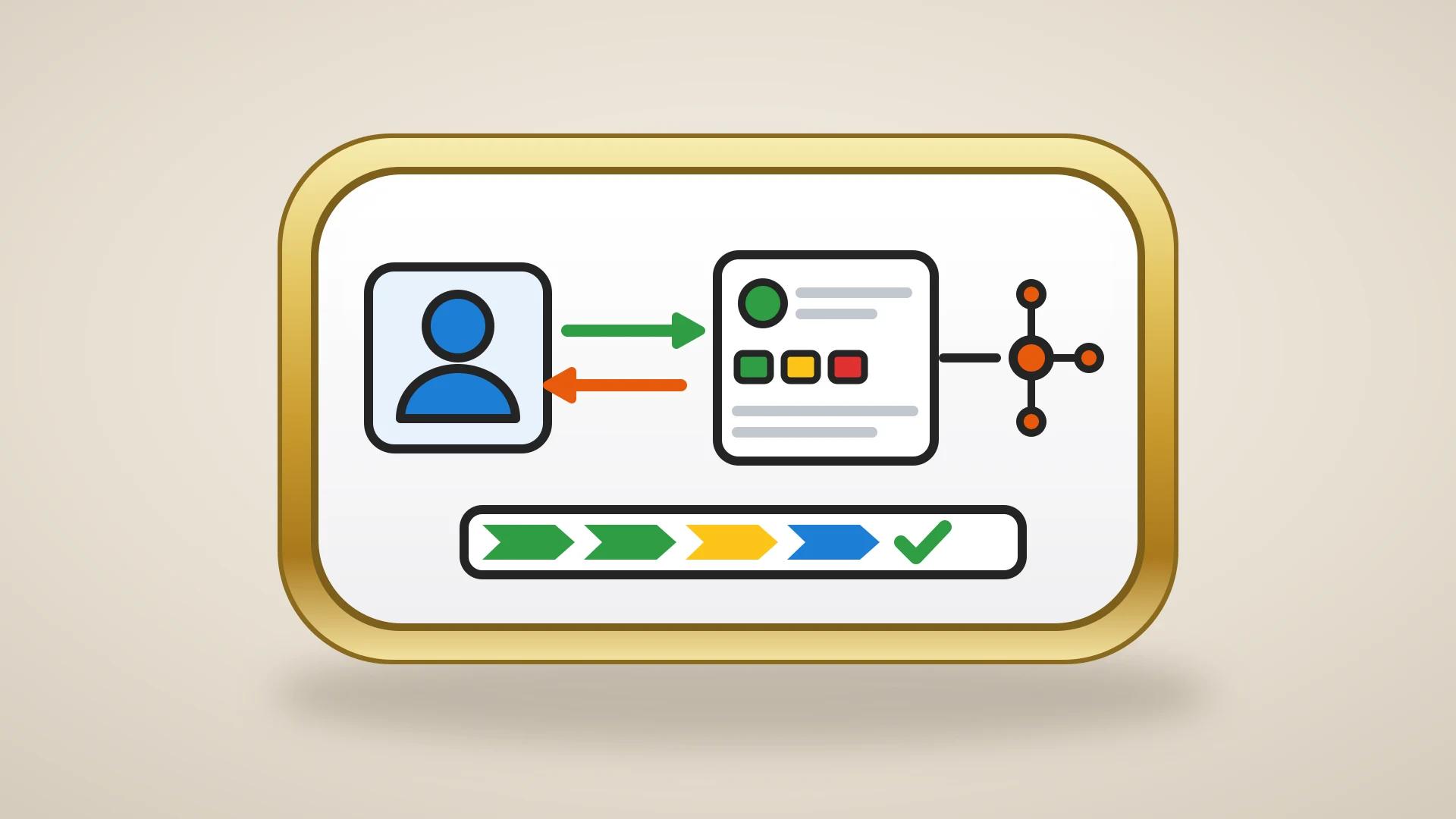
When you decouple the System of Record from the System of Work, productivity skyrockets. The CRM should be the final destination for truth, not the primary workspace for effort. By integrating specialized tools that handle specific parts of the cycle from prospecting to post-call summaries, you ensure that HubSpot stays clean without making it a burden for the people generating the revenue.
The CRM should be the final destination for truth, not the primary workspace for effort.
Separating record and work also allows for better coaching and visibility across the organization. When the "work" happens in tools designed for collaboration, managers can provide feedback in real-time rather than waiting for a deal stage to change. It transforms the CRM from a digital leash into a powerful reporting engine that actually reflects the reality of the sales floor.
What Adoption Looks Like When Reps Choose Their Tools
The difference between forced CRM adoption and voluntary tool usage shows up in data quality. Mueller and Oppenheimer's 2014 study in Psychological Science, The Pen Is Mightier Than the Keyboard, showed that the way people take notes meaningfully changes what they retain: when the environment encourages reframing in your own words rather than transcribing into a rigid form, comprehension improves. When reps are allowed to take notes in Notion, where they already think and plan, the notes are longer, more detailed, and written in real time rather than reconstructed hours later. The documentation improves not because of a new policy, but because the writing environment no longer fights the writer.
Teams that adopt this approach typically see two changes within the first month.
Note volume per deal increases
Reps stop skipping the documentation step, because writing in Notion no longer feels like a chore the tool is fighting them on.
Note quality improves
Notion supports the formatting, nesting, and structure that makes notes genuinely useful during handoffs and pipeline reviews.
If your Notion workspace is not yet set up for sales, that is worth addressing first.
The shift also changes the relationship between reps and leadership. When documentation stops feeling like surveillance and starts feeling like a tool that helps the rep prepare for their next call, the resistance disappears. The CRM gets better data not because someone mandated it, but because the workflow made it the path of least resistance.
Measuring the Impact of Workflow Freedom
The ROI of letting reps work outside the CRM is measurable if you know where to look.
Three metrics that prove the shift worked
- Notes logged per deal, before and after the change.
- Average note length.
- Time from last call to note creation.
Teams that move from CRM-only documentation to a Notion-first workflow with automated sync consistently see improvements in all three. If you want to understand the full cost of the old approach, see the hidden cost of copy-pasting notes between Notion and HubSpot.
The downstream effects show up in pipeline reviews and forecasting accuracy. When managers have richer context on each deal, their coaching becomes more specific and their forecasts become more reliable. When customer success teams receive thorough handoff notes, onboarding accelerates and early churn drops. None of this requires reps to change how they work. It only requires that their work reaches the CRM. For a look at how notes trapped in Notion silos affect the rest of the business, the signs are usually visible long before anyone measures them.
Bridging the Gap Automatically
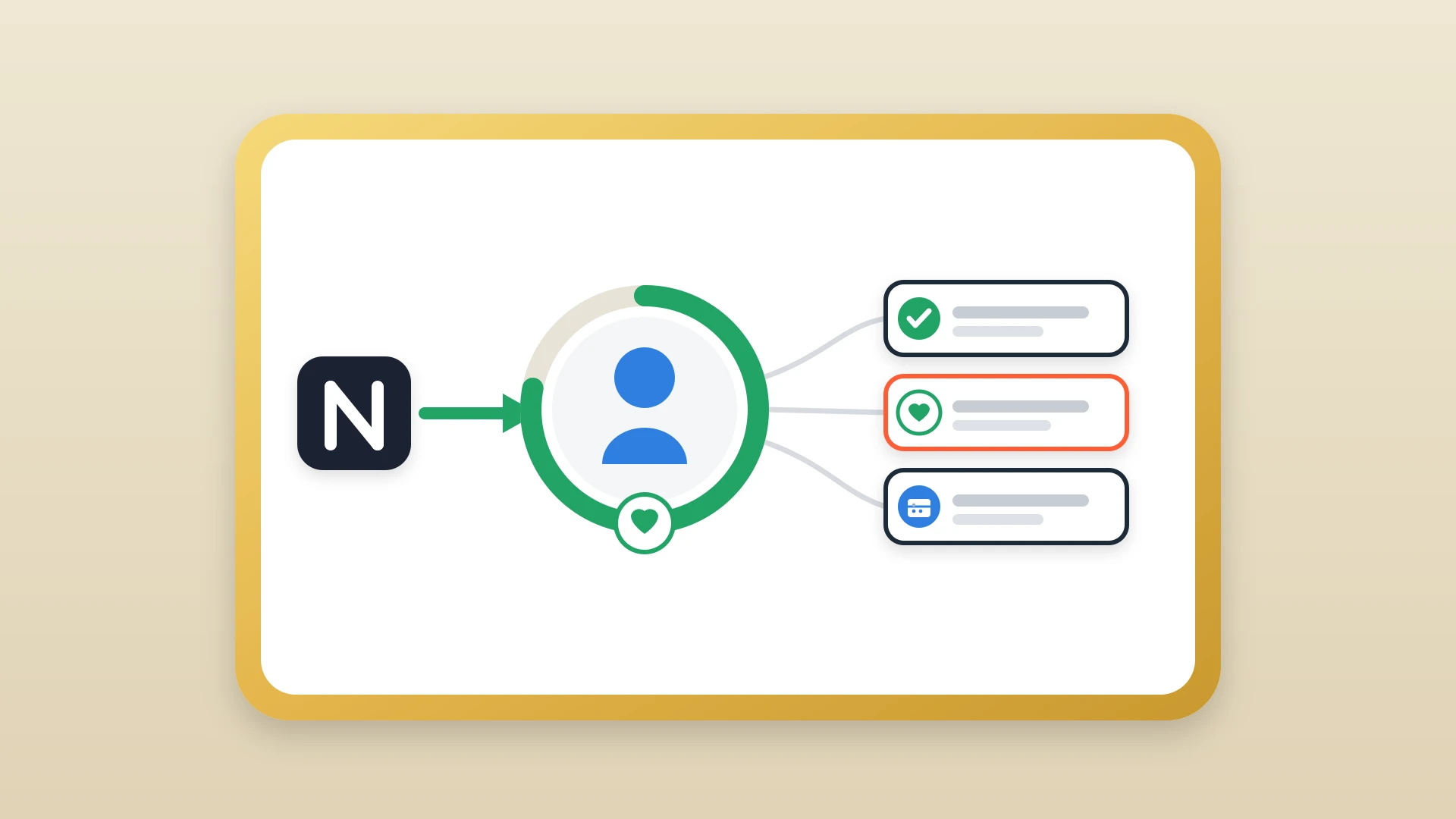
The goal is to build a bridge between where the work happens and where the data needs to live. This is why teams use NoteLinker. It allows your reps to keep their messy, formatted discovery notes in the Notion docs they already love, while ensuring every header and bullet point syncs perfectly to the HubSpot timeline with a single click.
Decoupled stack with sync
- Reps write where they think best
- Longer, more detailed notes per deal
- HubSpot stays current automatically
- Managers get visibility without chasing
CRM-only documentation
- Reps fight form fields and skip notes
- Shallow, compliance-only documentation
- The CRM becomes a graveyard of half-baked notes
- Context dies in Google Docs and Apple Notes
It is about giving your team the freedom to think outside the box while keeping your CRM data exactly where it belongs. Ultimately, the best technology is the kind that stays out of the way until it is needed. By automating the sync between your creative workspace and your record of truth, you eliminate the "copy-paste tax" that kills momentum. You get the best of both worlds: a sales team that feels supported in their natural workflow and a leadership team that has total visibility into every deal. If you want to see what this looks like in practice, here is how to set it up in two minutes. For a look at the best Notion integrations for sales teams, NoteLinker is one piece of a larger stack.
Let your reps write where they think best
NoteLinker keeps reps in Notion and your CRM current. Notes sync to HubSpot timelines as activities your managers can scan in seconds.